
Porcelain and composite veneers
Dental Veneers in Scarborough
Porcelain and composite veneers for chips, stains, small gaps and uneven front teeth, planned after a check that your teeth and gums are healthy. You get a written plan and estimate before anything starts.
What veneers are and what they can change
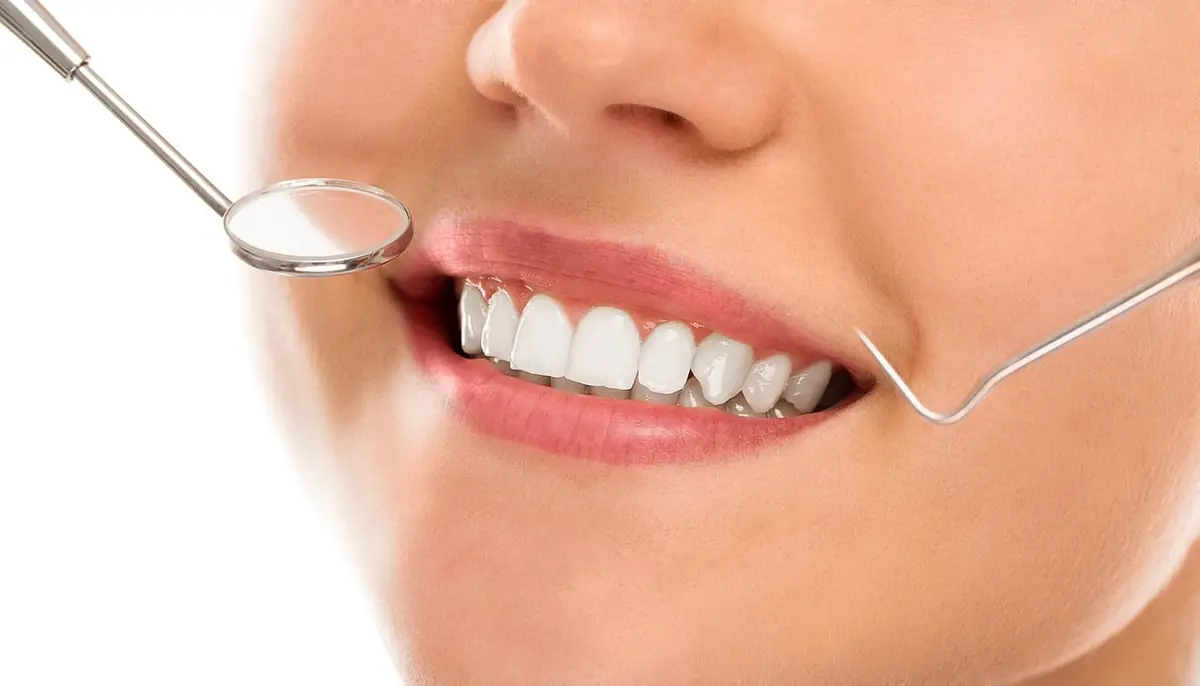
A veneer is a thin, custom-made cover of porcelain or tooth-coloured composite that is bonded to the front of a tooth. It changes how the front surface looks: its colour, shape or length. The tooth itself stays underneath, alive and still part of your bite. Veneers are used mainly on the upper front teeth, the ones that show when you talk and smile.
Patients usually ask about veneers for one or more of these reasons:
- Stains or greyness that whitening has not lifted, such as a tooth darkened by an old injury
- Chipped, worn or uneven edges on front teeth
- Small gaps between front teeth
- Teeth that look short, narrow or slightly out of line
- Old fillings on front teeth that no longer match
Veneers do not move teeth and do not correct a bite problem such as an overbite or crowding. When the main concern is position, straightening the teeth first often keeps more of your own enamel, and the dentist will say so plainly. Our guide Veneers: are they right for you? covers the background in more detail if you want to read before your visit.
Dental veneers in Scarborough: porcelain or composite
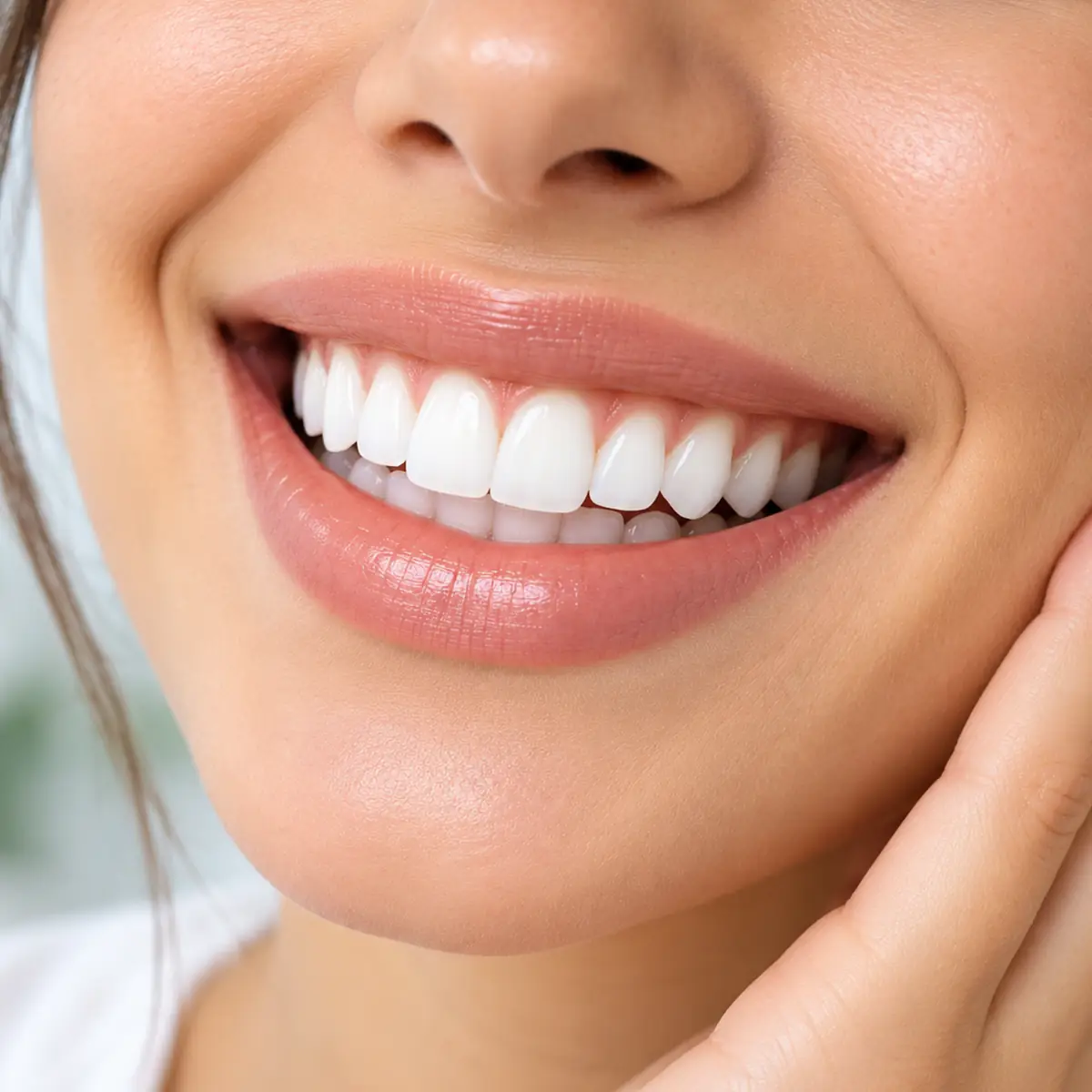
We offer both porcelain veneers, made by a dental laboratory, and composite veneers, built up directly on the tooth in the chair. Neither is right for everyone. The choice depends on how much change you want, the condition of the teeth, your bite and how you would like to balance the number of visits, upkeep and cost.
| Point to compare | Porcelain veneers | Composite veneers |
|---|---|---|
| How they are made | By a dental laboratory from impressions of your teeth | Shaped by the dentist directly on the tooth |
| Visits | Usually two or more, a few weeks apart, with temporaries in between | Often one visit |
| Enamel removed | Usually a thin layer, so the change cannot be undone | Often little or none |
| Staining | Resist staining well; edges can pick up a little stain over time | Pick up stain from coffee, tea and red wine and need polishing |
| Repairs | A chipped veneer is usually remade | Small chips can often be repaired in the chair |
| Upkeep over the years | Edges checked at check-ups; replaced when worn or damaged | Polished and touched up more often; replaced sooner |
Tooth preparation, stated honestly
For porcelain veneers, a thin layer of enamel is usually removed from the front of each tooth so the veneer sits flush and does not look bulky. That enamel does not grow back, so the tooth will always need a veneer or a crown from then on. This is the main trade-off, and we explain it before you decide. Composite veneers and bonding often need little or no enamel removal, which is why they are a more conservative starting point for some patients.
Who is a good candidate for veneers
Veneers suit healthy front teeth with healthy gums around them. Before any cosmetic work, the dentist checks for decay, gum disease and cracks and treats those first, because a veneer placed on an unhealthy tooth or gum line does not hold up.
- Usually suitable: stains that whitening cannot lift, chips, small gaps, short or uneven edges, and teeth with small fillings
- Often better with another option: a tooth with a large filling or a crack, which may be better protected by a crown, and crowded or crooked teeth, which may look better after straightening
- Needs a plan first: grinding or clenching at night, because porcelain can chip under a heavy bite
If you grind, we usually suggest a night guard to protect the veneers. Our guide Do you grind your teeth at night? explains the signs to look for.
Alternatives to veneers
Veneers are one tool among several. Many patients get what they want with something simpler, and some combine two options.
- Whitening: lightens natural enamel when the teeth are a healthy shape and the concern is colour. Veneers are matched to the teeth around them, so whitening usually comes first. See our teeth whitening page.
- Bonding: tooth-coloured composite added to repair a chip or close a small gap, often in one visit and often without freezing.
- Crowns: cover the whole tooth and suit teeth that are heavily filled, cracked or too damaged for a veneer. Our crowns and bridges page explains when a crown is the better choice.
- Clear aligners or braces: move the teeth themselves when crowding or spacing is the main concern, keeping more enamel.
Our cosmetic dentistry page shows how these options fit together in a wider smile plan.
How veneer treatment works, visit by visit
The number of visits depends on the material and on any treatment needed first. A typical porcelain plan looks like this:
- Consultation: a conversation about what you would like to change, photographs of your smile and an examination of your teeth, gums and bite, with X-rays where needed.
- Written plan: the options that apply to you, the order of treatment, the number of visits and a written estimate for each option, so you can think it over at home.
- Any treatment first: a cleaning, fillings, gum care or whitening, when needed.
- Preview, where useful: a trial of the new shape in temporary material, so you can see the length and shape before anything is made.
- Preparation: the teeth are frozen with local anaesthetic, a thin layer of enamel is shaped, impressions are taken and temporaries are placed.
- Fitting: the laboratory veneers are checked for fit and shade, then bonded to the teeth, and your bite is adjusted.
- Follow-up: a short check of the edges, gums and bite once you have had time to get used to them.
Composite veneers usually skip the laboratory steps. The dentist shapes and polishes the composite directly on the teeth, often in a single longer appointment. If dental visits make you nervous, tell us when you book. We explain each step before we do it, you can ask for a break at any time, and we can plan a longer appointment.
Caring for veneers and how long they serve
Veneers need the same daily care as natural teeth, because the tooth underneath can still decay at the edges.
- Brush twice a day with a soft brush and a non-abrasive toothpaste, and floss daily.
- Avoid biting ice, pens or fingernails, and do not use your front teeth to open packages.
- Wear a night guard if you grind, and a sport guard for contact sports.
- Keep regular check-ups so the edges can be checked and composite can be polished.
How long veneers serve depends on the material, your bite, your habits and your home care. Porcelain generally holds its colour and shape for many years with good care. Composite tends to need polishing and repairs sooner. Either kind may need replacing at some point, and when that happens the tooth underneath is checked and a new veneer or a crown is made.
What affects the cost of veneers
We do not post fees online, because every plan is different. The cost depends on:
- How many teeth are treated
- Porcelain or composite, and laboratory work for porcelain
- Whether a trial of the new shape is made first
- Any treatment needed beforehand, such as a cleaning, fillings or whitening
You receive a written estimate before anything starts. Treatment done mainly to change appearance is usually treated as cosmetic by workplace plans, and veneers are not part of the Canadian Dental Care Plan. When a tooth is broken or heavily filled, part of the work may be restorative, and we can send a predetermination to your insurer first. We bill insurers directly. Our guide How dental insurance works in Canada explains maximums and predeterminations.
Veneer visits at our office near Danforth and Warden
Our office is at Terrace on Danforth, 3520 Danforth Ave, Unit 107, near Danforth and Warden. Patients come to us from across Scarborough, East York, Birch Cliff, Cliffside and the Danforth. There is parking behind the building, Victoria Park subway station and the 113 Danforth bus serve the area, and we have evening and Saturday hours. The team speaks English, Farsi and Tagalog (Filipino). To book a veneer consultation, call (647) 350-4500 or send us a request.
Reviews from Google
What patients say on Google
4.9 out of 5 from 75 Google reviews. Rating as of November 15, 2026.
Went there for the first time today and absolutely loved it there. The front desk woman is very very helpful, the dentist assistant was friendly and knowledgeable and the dentist was understanding and caring. She let me know everything in advance and had a wonderful personality. I will be going back and highly recommend.
Dr. Samar has been my regular dentist. She is very professional and has really taken good care of my teeth. She is very pleasant to interact with and you will feel very comfortable with everyone in the clinic. The dental assistant, Resty is very friendly and is very professional. She and the other dental assistants are very knowledgeable and quick to anticipate on what is needed at the moment. A highly recommended dental clinic. Thank you to the entire team!
My family have been receiving dental services for 7+years from Dental Care For You. Dr Fadavi is the best dentist we’ve ever had, I don’t think we will ever leave. She’s warm, patient, friendly and kind. My kids love her and are very comfortable with her. The office is always clean and organized. And her staff is just the same as well. Thank you doctor for always taking such good care of my family😁👍🏾
Dr. Fadavi always rendered a high quality service to me and to my family. My daughter also likes her care. She gives compassionate service. The entire dental clinic neat and clean and also hygienic. They also follow up me and my family after service. I am satisfied with their service. That is why I recommend Dental Care For You to my community and friends. 🙂
Common questions
Questions patients ask

What are veneers on teeth?
Veneers are thin, custom-made covers of porcelain or tooth-coloured composite bonded to the front of teeth. They change the colour, shape or length of the front surface. Your natural tooth stays underneath. They are used mainly on upper front teeth to cover stains, chips, small gaps or uneven edges.
How do veneers work?
A veneer is bonded to the front surface of a prepared tooth with dental adhesive, so it becomes the visible face of that tooth. Porcelain veneers are made by a laboratory from impressions. Composite veneers are shaped directly on the tooth by the dentist. Either way, the tooth underneath keeps working as part of your bite.
How much do veneers cost in Scarborough?
The cost depends on how many teeth are treated, porcelain or composite, laboratory work, whether a trial of the new shape is made, and any treatment needed first. We do not post fees online. After an examination and photographs, you receive a written estimate for each option before anything starts.
How much are veneers in Canada and Ontario?
Fees vary from office to office and from patient to patient, so a single number is not useful. What drives the cost is the number of teeth, the material, laboratory work and any treatment needed first. At our Scarborough office you get a written estimate for each option after your consultation, before you decide.
Is porcelain or composite better for veneers?
Neither is right for everyone. Porcelain is made by a laboratory, resists staining and usually needs some enamel removed. Composite is shaped in the chair, often in one visit, needs little or no enamel removal, but stains more easily and needs polishing. The dentist explains which suits your teeth and goals.
Can veneers be removed later?
Porcelain veneers cannot simply be taken off and left off, because a thin layer of enamel is usually removed to fit them. The tooth will always need a veneer or a crown afterwards. Composite veneers and bonding often need little or no enamel removal, so they keep more options open for later.
How long do veneers last?
It depends on the material, your bite, your habits and your home care. Porcelain generally holds its colour and shape for many years with good care. Composite tends to need polishing and repairs sooner. Wearing a night guard if you grind and keeping regular check-ups help protect them.
What happens to your teeth under veneers?
Your natural tooth stays underneath, alive and bonded to the veneer. It can still decay at the edges, so daily brushing, flossing and regular check-ups matter. If a veneer is ever replaced, the dentist checks the tooth underneath and makes a new veneer or a crown.
Does getting veneers hurt?
Porcelain veneer preparation is done with local anaesthetic (freezing), and the dentist checks that the area is numb before starting. Some people notice mild sensitivity for a short time afterwards. Composite veneers and bonding often need little or no freezing. Tell us if you feel nervous, and we explain each step and pause whenever you ask.
Can veneers stain?
Porcelain veneers resist staining well, though the edges can pick up a little stain over the years. Composite veneers pick up stain from coffee, tea and red wine and need polishing at check-ups. Whitening does not change the colour of either, so any whitening is done before the veneer shade is chosen.
Are veneers bad for your teeth?
Not when the teeth and gums are healthy and the veneers are planned carefully. The main trade-off is the enamel removed for porcelain veneers. Veneers can chip with grinding or biting hard objects, and decay can start at the edges if cleaning slips. We go over these points before you decide.
What is a simpler option than veneers?
Whitening, bonding and straightening often achieve a lot while keeping more of your enamel. Whitening lightens natural teeth, bonding repairs a chip or closes a small gap, often in one visit, and clear aligners or braces correct crowding. Many patients start with one of these and add veneers only where they still help.
How many veneers do I need?
It depends on how many teeth show when you smile and which ones you want to change. Sometimes one veneer or a little bonding on a single tooth is enough. Sometimes several upper front teeth are treated so the colour and shape look even. The dentist shows you the options on photographs of your own smile.
Does insurance cover veneers?
Usually not. Workplace plans generally treat appearance-only work as cosmetic, and veneers are not part of the Canadian Dental Care Plan. When a tooth is broken or heavily filled, part of the work may be restorative, so we can send a predetermination to your insurer first. We bill insurers directly for covered work.
Can I get veneers if I grind my teeth?
Often yes, with a plan. Porcelain is strong, but a heavy bite at night can chip it, so the dentist checks for grinding and clenching first. If you grind, we usually recommend a night guard to wear over the veneers while you sleep, and sometimes another option such as crowns suits better.
What is the difference between a general dentist and a cosmetic dentist?
In Ontario, cosmetic dentistry is not a recognised dental specialty, so veneers, bonding and whitening are provided by general dentists. Our dentists plan and place veneers here, check your oral health first, and refer you to a specialist when another part of your treatment needs one.
How long does it take to get veneers?
Composite veneers are often done in one appointment. Porcelain veneers usually take two or more visits a few weeks apart, because a laboratory makes them. If a cleaning, fillings, gum care or whitening comes first, the plan takes longer. Your written plan shows the order and the expected number of visits.
Appointments
Request an appointment
Send a short request and the front desk will get back to you during office hours to find a time that suits you.
- You send your name, a phone number or email, and a time that works.
- We call or email you back during office hours to confirm a time.
- Pain, swelling or a broken tooth today: please call (647) 350-4500.
Ready when you are
Call us, or send an appointment request and we’ll reply during office hours. Emergencies: please phone.