
Home› Services›Wisdom teeth removal
Wisdom tooth extraction near Danforth and Warden
Wisdom Teeth Removal in Scarborough
We assess wisdom teeth with an X-ray and remove the ones causing problems, with simple and surgical extractions done in our office on Danforth Avenue. Complex impacted wisdom teeth are referred to an oral surgeon.
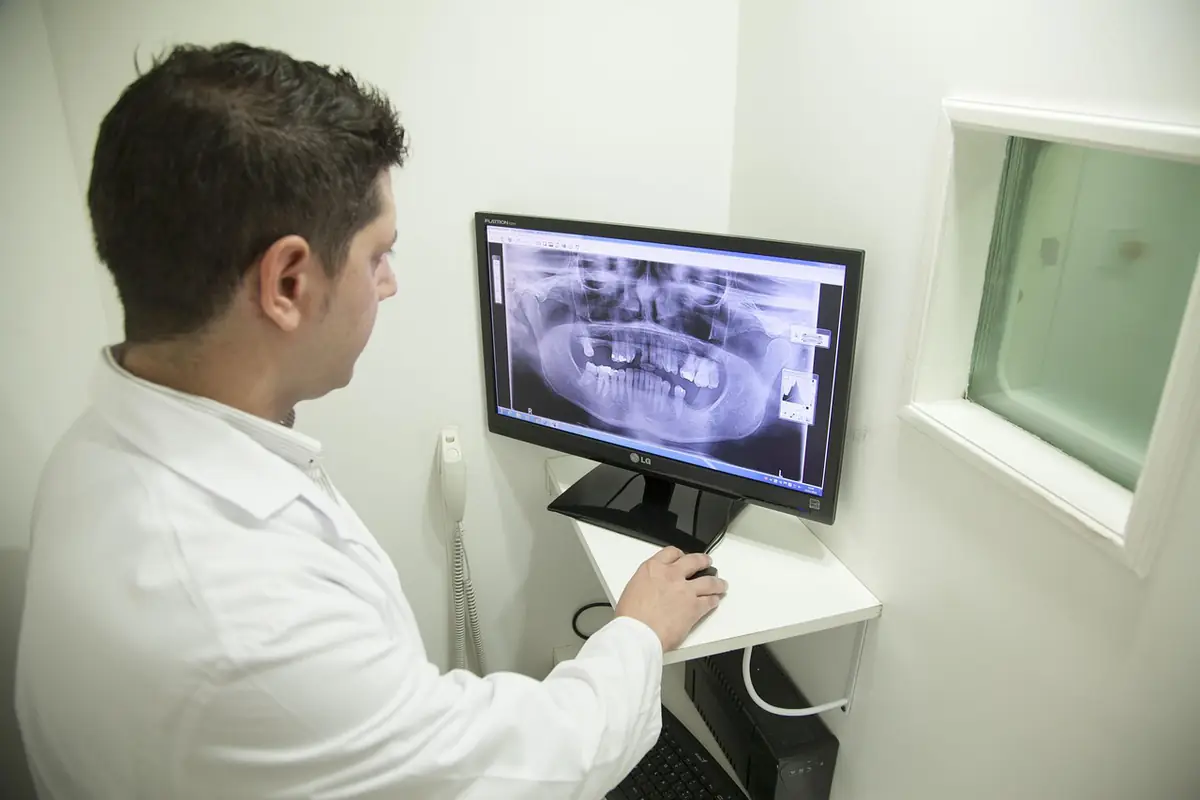
Wisdom teeth removal in Scarborough, assessed before anything starts
Wisdom teeth are the third molars, the last teeth at the back of each jaw. In some people they come through straight and cause no trouble. In others there is not enough room, and a tooth stays under the gum, comes through at an angle or only partly breaks through. Our dentists look at each wisdom tooth on its own and remove it only when there is a clear reason.
Simple and surgical extractions are done here in the office. A simple extraction removes a wisdom tooth that is fully through the gum. A surgical extraction is used when the tooth is impacted or partly covered: a small incision in the gum, and sometimes sectioning of the tooth into pieces, allows it to be removed with less force. For complex impacted wisdom teeth, we refer you to an oral surgeon. If you need a different tooth taken out, our tooth extraction page covers extractions in general.
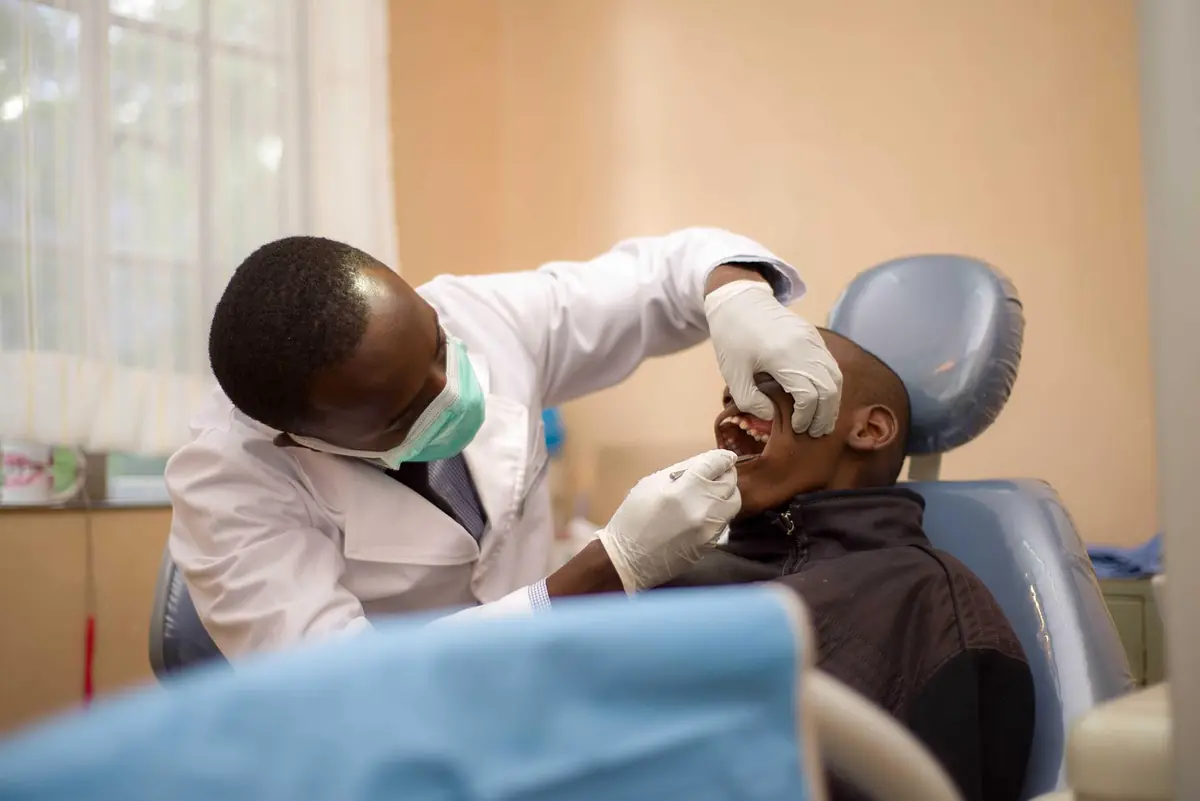
Signs a wisdom tooth is causing trouble
Signs worth booking an examination for include:
- Aching or throbbing at the back of the jaw, sometimes spreading toward the ear
- Swollen, red or tender gum over a tooth that is only partly through
- A bad taste or bad breath coming from the back of the mouth
- Food that keeps catching behind the last molar
- Stiffness in the jaw or trouble opening your mouth fully
- Pain when biting or chewing near the back teeth
A partly erupted wisdom tooth can trap food and bacteria under a flap of gum. The infection that follows is called pericoronitis, and it tends to return until the cause is dealt with. Our guide wisdom teeth: signs of trouble explains each sign and what you can do at home while you wait for an exam. Pain or swelling around a wisdom tooth is one of the problems we see as a same-day visit, so call us; our emergency dentist page explains how urgent visits work. Go to a hospital emergency department instead if swelling makes it hard to breathe or swallow, or if you have a high fever with facial swelling.
When removal is recommended and when we keep watching
Not every wisdom tooth needs removing. If yours have come through straight, meet the teeth above or below them and can be cleaned properly, we simply keep an eye on them at your regular check-ups.
Removal is usually recommended when a wisdom tooth is:
- Impacted and causing pain, swelling or repeated infection
- Partly through the gum and trapping food, causing pericoronitis
- Damaging the tooth in front of it, or causing decay where the two teeth meet
- Decayed in a way that cannot be treated with a filling
A wisdom tooth that is impacted but causing no symptoms is a decision we make together. We explain what the X-ray shows, the reasons to remove the tooth now and the reasons to wait, and you choose. Many people decide to watch the tooth and have it rechecked at each examination.
Assessment with X-rays
For wisdom teeth we usually take a panoramic X-ray, which shows all four in one image. It shows the angle and depth of each tooth, how far it has come through, the shape of the roots and how close the lower roots sit to the nerve in the lower jaw.
That image helps us decide whether the tooth can be removed here or whether a referral serves you better. We refer to an oral surgeon when a wisdom tooth is deeply impacted in the bone, lies in a difficult position, or has roots very close to the nerve. If we recommend a referral, we explain the reason and what to expect, and we continue to look after your check-ups and cleanings here.
What your wisdom tooth extraction visit is like
- We go over your health history and medications. Tell us about any blood thinner, heart condition, joint replacement or recent surgery, and never stop a blood thinner on your own; we coordinate with your doctor when needed.
- Your dentist explains why the tooth should come out and gives you a written estimate before anything starts.
- The area is frozen with local anaesthetic, and we check that the freezing has fully taken effect before we begin. You should feel pressure and movement rather than sharp pain.
- For a surgical extraction, a small incision lets us reach the tooth, which is sometimes removed in sections. A few stitches may be placed afterwards.
- You can raise a hand at any time if you need us to stop.
- We place gauze and go through written aftercare with you before you leave.
If dental visits make you nervous, tell us when you book. We can schedule a longer appointment, explain each step before it happens, agree on a stop signal and take breaks whenever you need them. A friend or family member is welcome to come with you. Our page for nervous patients describes how we work with dental anxiety.
Recovery after wisdom teeth removal
Healing after a surgical or impacted wisdom tooth extraction takes longer than after a simple one, but it follows a familiar pattern:
- First 24 hours: a blood clot forms in the socket and some oozing is normal. Rest, keep your head raised and protect the clot.
- Days two and three: swelling and jaw stiffness are usually at their peak. A cold compress on the cheek helps on the first day.
- End of the first week: discomfort has usually eased a great deal, and stitches, if you had them, dissolve or are removed.
- Following weeks and months: the gum closes over and the bone underneath slowly fills in.
Our guide wisdom tooth recovery, day by day covers each stage in more detail, including when people usually return to work and sports.
Looking after the socket and preventing dry socket
Bite on the gauze for 30 to 45 minutes so a clot can form. For the first 24 hours, avoid rinsing, spitting, smoking or drinking through a straw. Take the pain relief we recommend before the freezing wears off. From the next day, rinse gently with warm salt water after meals and brush closer to the area as it becomes comfortable.
Dry socket happens when the clot is lost from the socket, leaving the bone exposed. It usually shows up a few days after the extraction as a deep ache that gets worse instead of better, sometimes with a bad taste. It is uncomfortable but treatable: call us and we will dress the socket. Our guide dry socket: how to prevent it explains who is more at risk. Also call if bleeding does not stop, or if you have swelling with fever.
What to eat after wisdom teeth removal
For the first day choose soft, cool or lukewarm food that needs little chewing, and eat on the other side of your mouth.
- Good choices: yogurt, smooth soups that are not hot, mashed potatoes, scrambled eggs, oatmeal, pudding and smoothies eaten with a spoon
- Avoid for a few days: chips, nuts, seeds, popcorn, crusty bread and spicy food, which can lodge in or irritate the socket
- Avoid hot drinks on the first day, and alcohol for at least 24 hours or while you are taking prescribed pain medication
You can move back to normal meals over the first week as comfort allows.
What affects the cost of wisdom teeth removal
We do not quote one fee for every wisdom tooth, because the work involved differs from tooth to tooth. The main factors are:
- Whether the tooth is fully through the gum or impacted and needs a surgical extraction
- Whether the tooth needs sectioning or stitches
- How many wisdom teeth are removed and whether they are done at the same visit
- The X-rays needed to plan the extraction safely
You receive a written estimate before treatment. We bill dental insurance directly when your plan allows it, so you only settle the part your plan does not cover. Canadian Dental Care Plan members can have wisdom teeth that cause problems removed here, with a co-payment for some members depending on family income; some services under the plan need approval first, and we send that request for you. Our CDCP dentist page explains the plan in more detail.
Wisdom tooth care near Danforth and Warden
Patients come to our office at Terrace on Danforth, 3520 Danforth Avenue, Unit 107, from across Scarborough, East York, Birch Cliff, Cliffside and the Danforth. Victoria Park subway station is a short walk west along Danforth Avenue, parking is behind the building and the office is wheelchair accessible. Evening appointments until 7 pm on Monday, Wednesday, Thursday and Friday, and Saturday hours from 10 am to 4 pm, make it easier to plan an extraction around work or school and rest afterwards. Care is available in English, Farsi and Tagalog (Filipino). Call (647) 350-4500 or request an appointment to have a wisdom tooth checked.
Reviews from Google
What patients say on Google
4.9 out of 5 from 75 Google reviews. Rating as of November 15, 2026.
Went there for the first time today and absolutely loved it there. The front desk woman is very very helpful, the dentist assistant was friendly and knowledgeable and the dentist was understanding and caring. She let me know everything in advance and had a wonderful personality. I will be going back and highly recommend.
Dr. Samar has been my regular dentist. She is very professional and has really taken good care of my teeth. She is very pleasant to interact with and you will feel very comfortable with everyone in the clinic. The dental assistant, Resty is very friendly and is very professional. She and the other dental assistants are very knowledgeable and quick to anticipate on what is needed at the moment. A highly recommended dental clinic. Thank you to the entire team!
My family have been receiving dental services for 7+years from Dental Care For You. Dr Fadavi is the best dentist we’ve ever had, I don’t think we will ever leave. She’s warm, patient, friendly and kind. My kids love her and are very comfortable with her. The office is always clean and organized. And her staff is just the same as well. Thank you doctor for always taking such good care of my family😁👍🏾
Dr. Fadavi always rendered a high quality service to me and to my family. My daughter also likes her care. She gives compassionate service. The entire dental clinic neat and clean and also hygienic. They also follow up me and my family after service. I am satisfied with their service. That is why I recommend Dental Care For You to my community and friends. 🙂
Common questions
Questions patients ask

What can I eat after wisdom teeth removal?
Soft, cool or lukewarm food that needs little chewing is right for the first day: yogurt, smooth soup that is not hot, mashed potatoes, scrambled eggs, oatmeal or a smoothie eaten with a spoon. Chew on the other side. Skip chips, nuts, seeds, popcorn and spicy food for a few days, and return to normal meals over the first week as comfort allows.
Does everyone get wisdom teeth?
No. Some people develop all four wisdom teeth, some have fewer and some have none at all. Others have wisdom teeth that form in the jaw but never come through the gum. A panoramic X-ray at an examination shows how many you have and where they sit.
When do wisdom teeth usually come in?
Wisdom teeth usually come through in the late teens or early twenties, later than any other teeth. Some arrive years after that and some never come through at all. If you feel pressure or tenderness at the back of the jaw, an examination and X-ray show how the tooth is developing.
How much does wisdom teeth removal cost in Scarborough?
The cost depends on whether the tooth is fully through or impacted, whether it needs sectioning or stitches, how many teeth are removed at one visit and the X-rays needed. We give you a written estimate before treatment, bill your insurance directly when your plan allows it, and accept the Canadian Dental Care Plan.
Why do we have wisdom teeth?
Wisdom teeth are the third set of molars, the last to develop. Many jaws today have less room at the back than these teeth need, which is why they are often impacted or come through at an angle. Having wisdom teeth is normal, and many people keep theirs without any trouble.
How long is wisdom teeth recovery?
Swelling and stiffness usually peak on days two and three, and discomfort has eased a great deal by the end of the first week. The gum closes over the following few weeks and the bone fills in over several months. Surgical and impacted extractions take a little longer to settle than simple ones.
Can I brush my teeth after wisdom teeth removal?
Yes. On the first night, brush your other teeth gently and keep the brush away from the extraction site. Do not spit forcefully for the first 24 hours. From the next day, rinse gently with warm salt water after meals and brush closer to the area as it becomes comfortable.
What is dry socket after wisdom teeth removal?
Dry socket happens when the blood clot is lost from the socket, leaving the bone exposed. It usually causes a deep ache a few days after the extraction that gets worse instead of better, sometimes with a bad taste. It is treatable: call us and we will clean and dress the socket to relieve it.
Can wisdom teeth grow back after removal?
No. A wisdom tooth that has been fully removed does not grow back. Very occasionally a person has an extra tooth that develops further back later on, which an X-ray would show. Any wisdom teeth you still have are checked at your regular examinations.
How can I ease wisdom tooth pain until my appointment?
Rinse gently with warm salt water, keep the area as clean as you can and use a cold compress on the cheek. Over-the-counter pain relief taken as the package directs may help if it is safe for you. These steps ease symptoms but do not treat the cause, so call us to book an examination.
Do I need my wisdom teeth removed?
Not always. Wisdom teeth that have come through straight and can be cleaned can often stay, and we check them at each visit. Removal is usually recommended when a tooth is impacted and causing pain or infection, damaging the tooth in front, or decayed beyond repair. We explain the options and you decide.
Is wisdom tooth extraction painful?
The area is frozen with local anaesthetic before we begin, and we check the freezing has fully taken effect, so you should feel pressure and movement rather than sharp pain. You can raise a hand to stop us at any time. Soreness and swelling for a few days afterwards are normal.
What does wisdom tooth pain feel like?
It is often a dull ache or throbbing at the back of the jaw that can spread toward the ear or cause headaches. The gum behind the last molar may be swollen, red or tender, and some people notice a bad taste, bad breath or trouble opening their mouth fully.
Will my face shape change after wisdom teeth removal?
Removing wisdom teeth does not change the shape of your face. The cheeks can look swollen for a few days after the extraction, especially on days two and three, but this settles as you heal. The teeth sit inside the jaw, and taking them out does not alter the bone that shapes the face.
When do wisdom tooth stitches dissolve?
Dissolving stitches usually loosen and fall out by about the end of the first week, as the gum heals. If your dentist used stitches that need removing, we book a short visit to take them out. Call us if a stitch comes loose early and the area bleeds or feels uncomfortable.
Is 30 too old to have wisdom teeth removed?
No. There is no upper age limit for wisdom teeth removal. Roots are fully formed in adults, so an extraction can take a little longer and healing may be slower than in a teenager. We assess each tooth with an X-ray and explain what to expect for your age and health.
Do I need an oral surgeon for my wisdom teeth?
Not usually. Simple and surgical wisdom tooth extractions are done here in the office by our dentists. We refer to an oral surgeon when a tooth is deeply impacted, lies in a difficult position or has roots very close to the nerve, and we keep looking after your other dental care here.
Does CDCP cover wisdom teeth removal?
Wisdom teeth that cause problems can be removed here for Canadian Dental Care Plan members. Depending on family income you may have a co-payment, and some services need approval from the plan first. We bill the plan directly and confirm what applies to you before treatment starts.
Appointments
Request an appointment
Send a short request and the front desk will get back to you during office hours to find a time that suits you.
- You send your name, a phone number or email, and a time that works.
- We call or email you back during office hours to confirm a time.
- Pain, swelling or a broken tooth today: please call (647) 350-4500.
Ready when you are
Call us, or send an appointment request and we’ll reply during office hours. Emergencies: please phone.